I believe that the way we imagine things defines how we relate to them, and I am interested in exploring ways to deconstruct systemic oppression through the way we imagine social causes.
For instance, research has proven that the kind of media people consume and the specific use of visual metaphors these use to refer to refugees directly impacts how people perceive them and, in turn, the political actions they take.
Another example in which the way we imagine can have tangible consequences is found in statistics that clearly show that, for example, people of colour as well as men with an eating disorder tend to receive disproportionately late diagnosis because of a common mental image – primarily advanced by media representation that associates these disorders with white, teenage girls.
On the one hand, I investigate the ways in which media (intended as newspapers, social media, cinema, television, literature, political campaigns, etcetera), language, and politics forge the way people collectively imagine different social causes, how this directly affects how they relate to them, and thus the concrete consequences (whether political outcomes or social dynamics) it leads to. My online campaigning focuses therefore on sharing aspects of this ongoing research and leading people to question the way they imagine social causes through digestible formats like The Social Justice Studio and the Workroom for Questions.
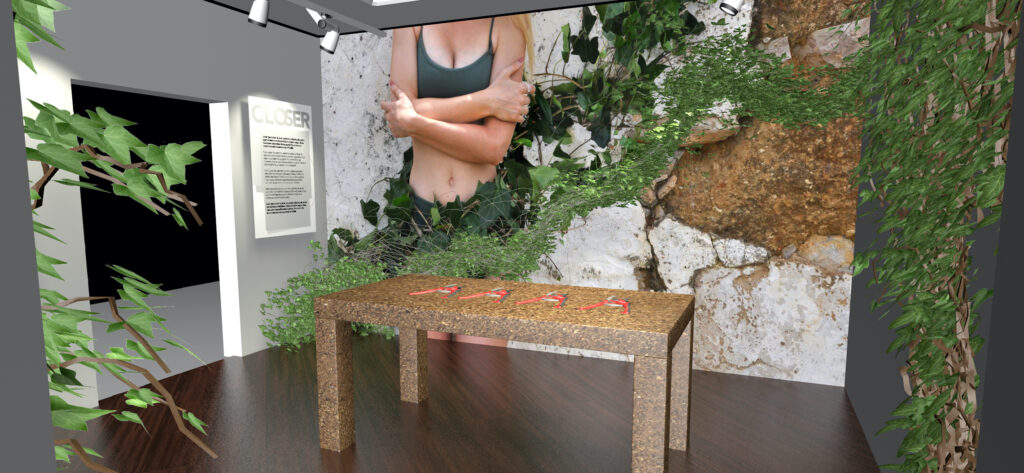
On the other hand, I dedicate my creative practice to explore the role of art in questioning or reshaping these ways we imagine, and therefore its contribution to social change. In this way, most of my creative projects deal with the idea of reimagining social matters or causes through art in order to lead people to engage with them from a new perspective, and thus better relate to them.
The way we imagine things defines how we relate to them.